Why Vision Problems Often Progress Even With Treatment
New research suggests the issue may not start in the eyes at all
By Dr. Drew Sutton, MD – ENT Specialist
Are Your Eyes Showing These Early Warning Signs
These changes aren’t always “just aging.”
Many people notice them long before any clear diagnosis — and that’s what makes them easy to dismiss.
Many people do everything they’re told to do — regular checkups, new glasses, proper eye care — yet their vision keeps changing in unsettling ways.
This contradiction has led researchers to question whether something else may be involved.
The Silent Process Affecting Vision…
And Why Most Treatments Only Address the Surface
Many people are told these changes are “normal” or that they simply need stronger correction.
But some researchers are questioning whether the earliest changes happen in the eye itself — or in the systems that support it.
That distinction matters, because it may explain why surface-level approaches don’t always match what people are experiencing.
The overlooked truth?
For many people, the earliest shifts don’t start with “weak eyesight.”
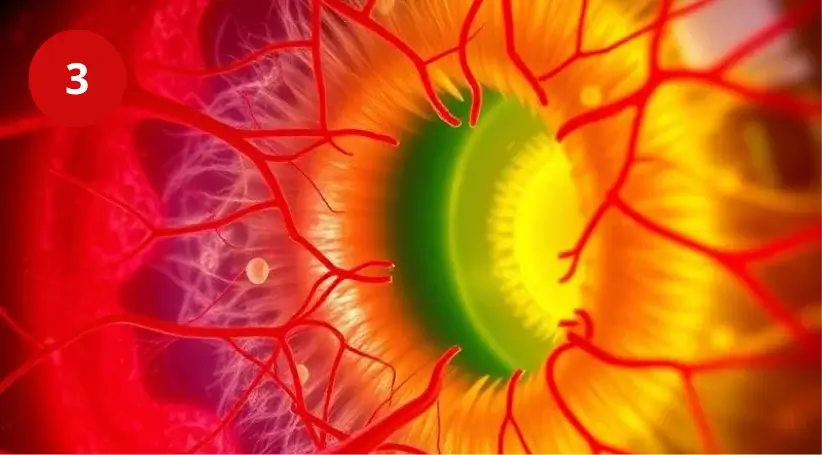
They start with subtle changes in the eye’s support systems — especially the tiny structures involved in oxygen and nutrient delivery.
This may help explain why symptoms can progress even when people follow standard advice.
One working theory suggests a slow, silent disruption in the systems that keep vision stable over time — and the video explains what researchers believe may be driving it.
Interestingly, one of the most discussed natural pigments in this area comes from a specific type of wild blueberry — which is part of what the presentation covers.
This is an informational presentation exploring current research into early vision changes.
From Subtle Vision Changes to Seeking Clear Answers
Michael, 62 years
Father and Grandfather
“Not long ago, I felt like something was slowly slipping away.”
Everyday tasks started to feel harder.
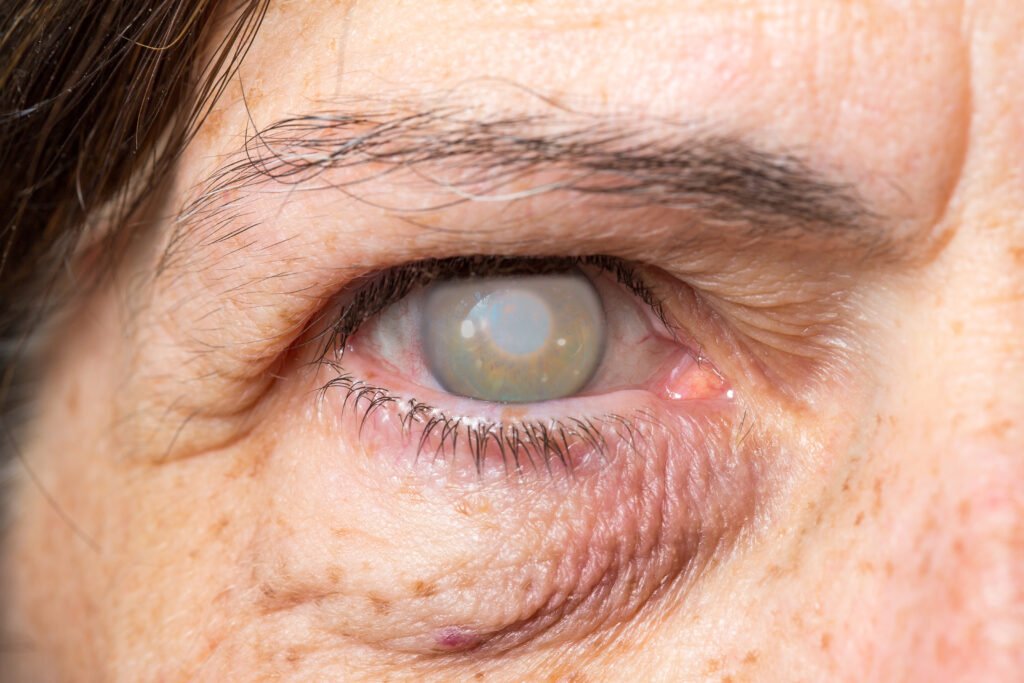
Reading small text took more effort. Night driving became stressful because of glare. Colors didn’t seem as sharp as they once were.
At first, I told myself it was just age. I updated my glasses. I tried different eye drops. Nothing really explained why these changes were happening.
Then I realized something important.
The changes I was experiencing didn’t fully line up with what I was being told — and that’s when I knew there had to be more to the story.
After gaining this perspective, things finally began to make more sense. I became more attentive to early warning signs and more confident knowing what questions to ask and what to look out for — not because I had a quick fix, but because I better understood what to pay attention to before things progressed further.
See the research-based explanation that helped clarify these early vision changes.
Early Vision Changes Are Often the First Warning Sign
Michael’s story is just one of many showing how small, easily dismissed vision changes can gradually progress over time — affecting reading, night driving, contrast, and overall visual confidence.
For many people, these early signs appear long before a formal diagnosis or serious intervention is ever discussed.
Recognizing these early warning signs can change how people think about their vision — especially when the usual explanations don’t fully add up..
That’s why many people are choosing to look more closely at what may be happening beneath the surface — instead of waiting until changes become harder to ignore.
See the research-based overview that explains why these early signs matter.